AgenticAI4HPC 2026
The 1st International Workshop on Agentic AI for HPC
Introduction
Recent progress in agentic AI—AI systems capable of autonomous planning, reasoning, adaptation, and tool use—opens transformative opportunities across the HPC research landscape. Beyond system-level optimization, agentic AI can play a pivotal role in code modernization, automated code translation across programming models, performance tuning for diverse hardware platforms, and the long-term sustainability of large scientific software stacks.
As HPC systems continue to evolve toward exascale and beyond, developers face increasing challenges in maintaining legacy codes, porting applications to emerging architectures, and achieving performance portability across changing programming models and runtime environments. Agentic approaches offer the potential to autonomously refactor legacy codes, translate between models, recommend architecture-aware optimizations, and iteratively tune applications.
AgenticAI4HPC’26 will bring together researchers and practitioners to explore methodologies, systems, and real-world applications that leverage agentic AI to accelerate HPC software development, enhance productivity, and enable sustainable performance at scale. By fostering interdisciplinary dialogue at the intersection of autonomous AI systems and advanced computing, the workshop aims to define the future role of agentic AI in advancing the entire HPC research ecosystem.
Objectives, Scope and Topics
The main goal of this workshop is to build bridges between HPC and AI by fostering interdisciplinary dialogue at the intersection of autonomous AI systems and advanced computing, and to define the future role of agentic AI in advancing the entire HPC research ecosystem. Topics of interest include, but are not limited to:
-
Programming Models, Code Modernization & Sustainability
- Agent-based support for HPC programming models
- Autonomous code translation across programming models and hardware backends
- Intelligent runtime systems and adaptive execution frameworks
- Automated modernization of legacy HPC applications
- AI-driven refactoring for scalability, maintainability, and portability
- Sustainable software engineering practices enabled by agentic systems
- Agentic AI for hybrid HPC–quantum programming, code translation, and portability
-
Scientific Workflows & Application Development
- Intelligent workflow composition and orchestration
- Iterative optimization through reinforcement learning or multi-agent systems
- Agent-assisted debugging, verification, and validation
- AI-driven parallel and distributed algorithm design
- Integration of simulation, data analytics, and AI workloads
-
Co-Design & Human–AI Collaboration in HPC
- Human-in-the-loop agentic systems for scientific computing
- Hardware–software–application co-design with autonomous agents
- Productivity tools and AI copilots for HPC developers
- Trust, transparency, and reproducibility in agent-driven HPC systems
- Agentic AI for HPC facility operations: scheduling, resource management, energy, and monitoring
-
Evaluation, Benchmarking & Reliability
- Benchmarking agentic AI approaches in HPC environments
- Reliability, robustness, and fault tolerance of autonomous systems
- Measurement methodologies for productivity and performance gains
- Case studies and real-world deployments of agentic AI in HPC
Program (Tentative)
Important Dates
- Submission August 10, 2026 (AoE)
- Acceptance September 4, 2026 (AoE)
- Camera Ready September 25, 2026 (AoE)
- Workshop November 15, 2026 · 9:00 AM – 12:30 PM
Invited Talks
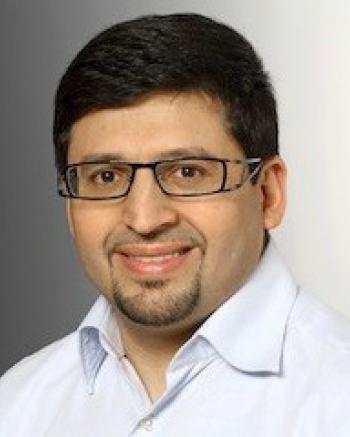
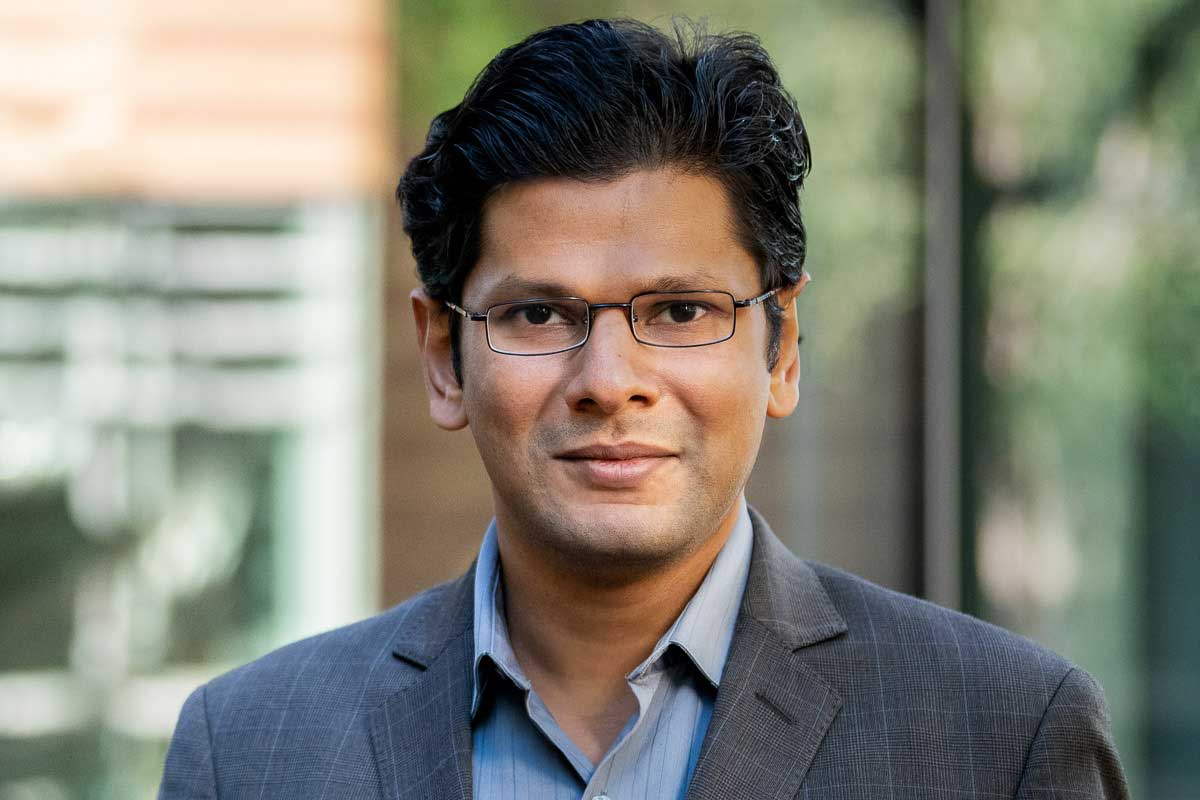
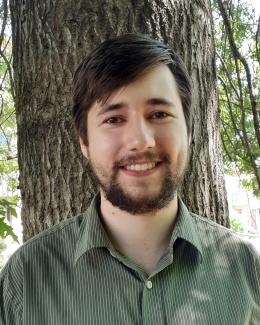
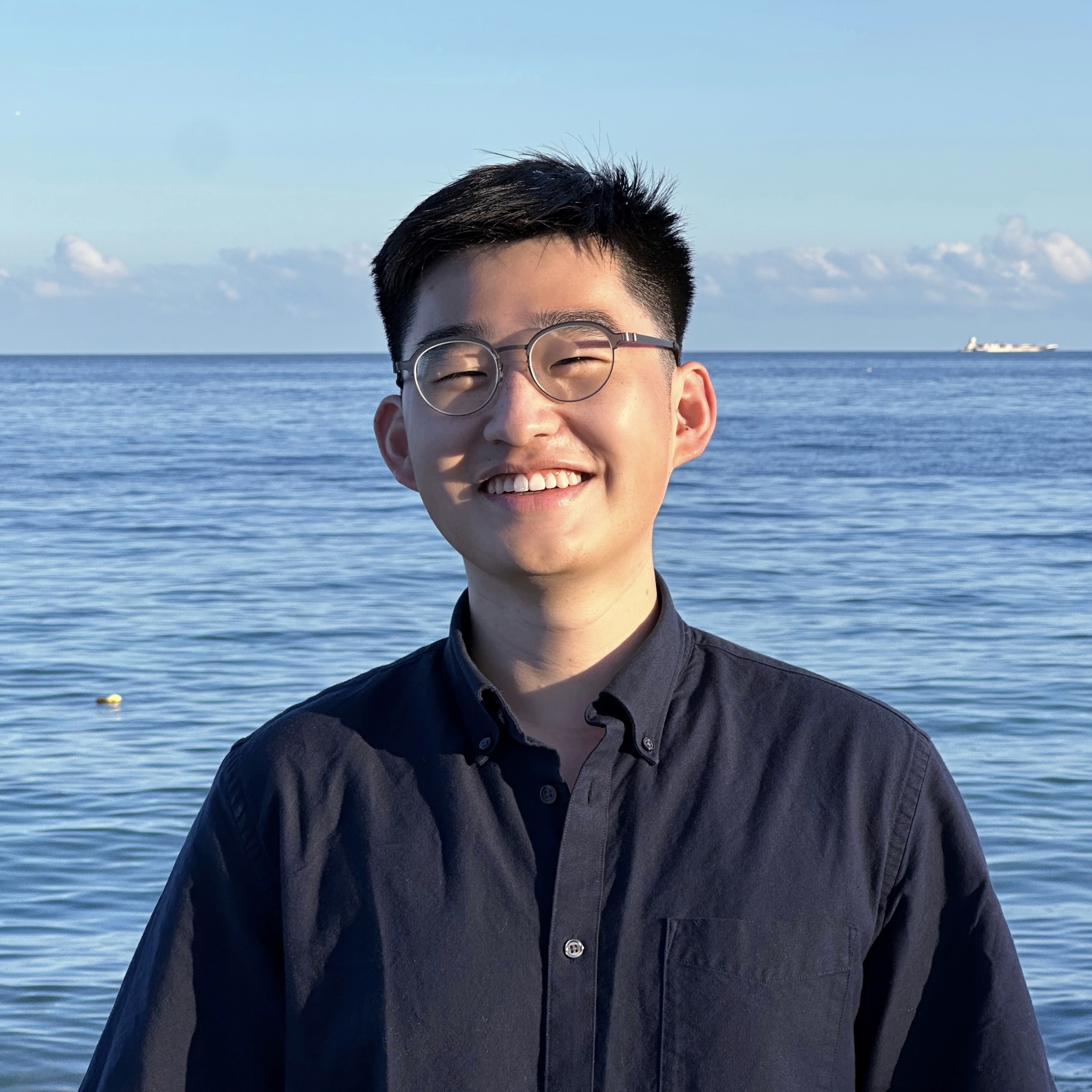
Ali Jannesari is an Associate Professor and Director of the Laboratory for Software Analytics and Pervasive Parallelism in the Department of Computer Science at Iowa State University. His research focuses on the intersection of High-Performance Computing (HPC) and Artificial Intelligence (AI). Dr. Jannesari has published over a hundred refereed articles, several of which have received awards.
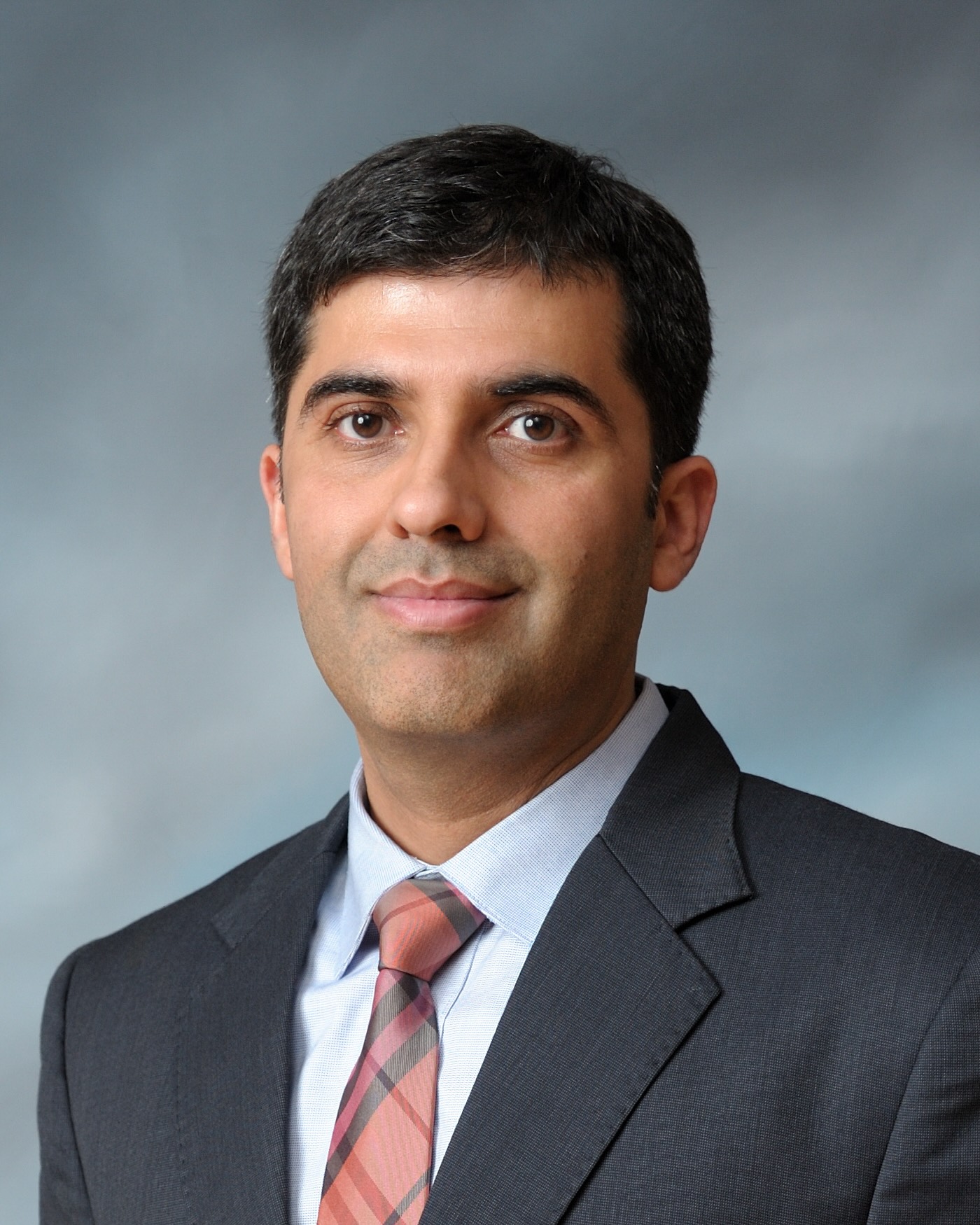
Abhinav Bhatele is an Associate Professor in the Department of Computer Science and Director of the Parallel Software and Systems Group at the University of Maryland, College Park. His research interests are broadly in systems and AI, with a focus on parallel computing and distributed AI. He has published research in parallel programming models and runtimes, network design and simulation, applications of machine learning to parallel systems, parallel deep learning, and on analyzing, visualizing, modeling and optimizing the performance of parallel software and systems.
Organizers (Contact us)



Steering Committee






Program Committee

























Manuscript Submission
We invite submissions of original, unpublished research and experiential papers. Full papers should be up to 10 pages in length ( Single Blind ), formatted in the standard IEEE conference format including references (Only AD/AE is out of the 10 page limit). All paper submissions will be managed electronically via the SC26 workshop submission system. Submissions are closed.
All papers submitted for the official proceedings must use the IEEE proceedings template (two-column, US letter, conference mode for LaTeX). Please use the correct template from this link: https://www.ieee.org/conferences/publishing/templates.
Proceedings
Accepted papers will be published in the IEEE Digital Library as part of the workshop proceedings of SC 2026.
Distinguished Paper Recognition
The Distinguished Paper Recognition will be selected on the basis of explicit recommendations of the reviewers and their scoring towards the paper’s originality and quality.
Reproducibility
As part of a major initiative that aims to increase the level of reproducibility and replicability of results, AgenticAI4HPC invites authors of technical papers to submit optional appendix information that can promote better reproducibility of computational results. Submitted Artifact Description (AD) and Artifact Evaluation (AE) appendices should follow the SC conference model and be included in the submitted manuscript (see the SC26 reproducibility initiative).
A manuscript cannot be disqualified based on information provided or not provided in the AD/AE appendices, nor if the appendix is not available. The availability and quality of an appendix can be used in ranking. In particular, if two manuscripts are of similar quality, the existence and quality of the AD/AE appendices can be part of the evaluation process. The workshop will not evaluate the AD/AE appendices beyond the ACM Artifacts Available Badge.
Registration
Information about registration is available at the SC 2026 website.